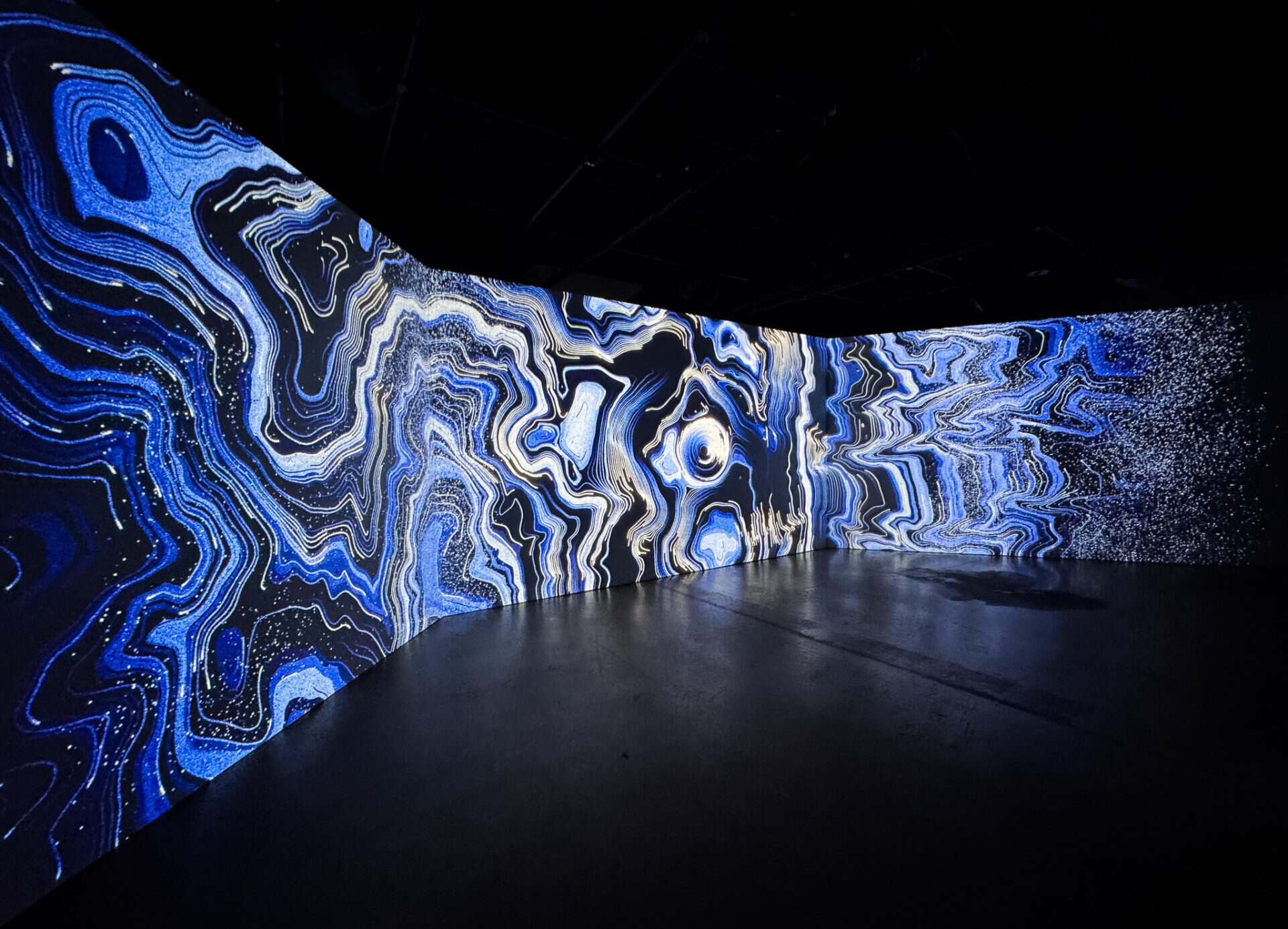
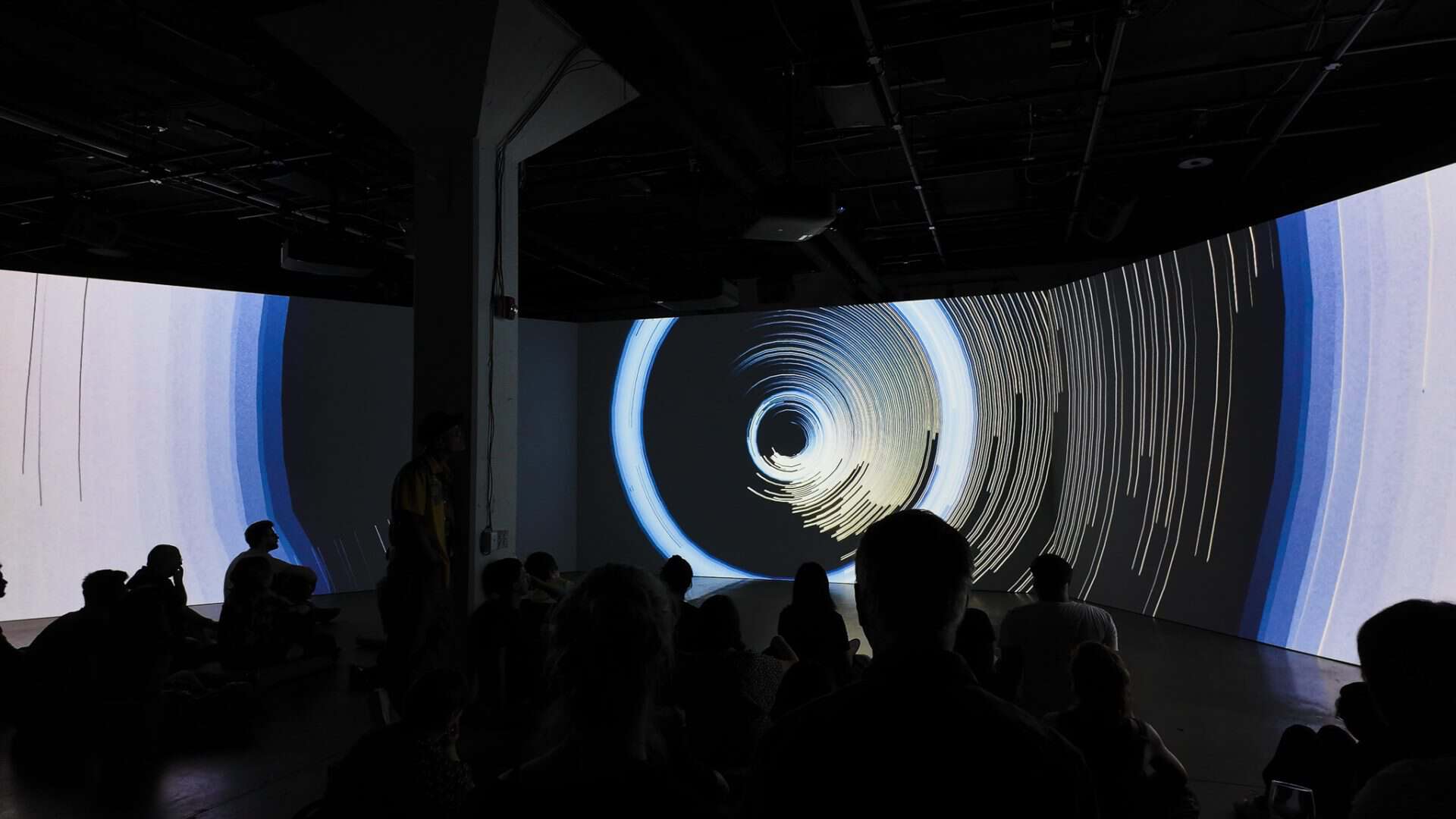
Shinshiki / 神色 (2023–25)
for immersive audio-visual installation
WORK DESCRIPTION
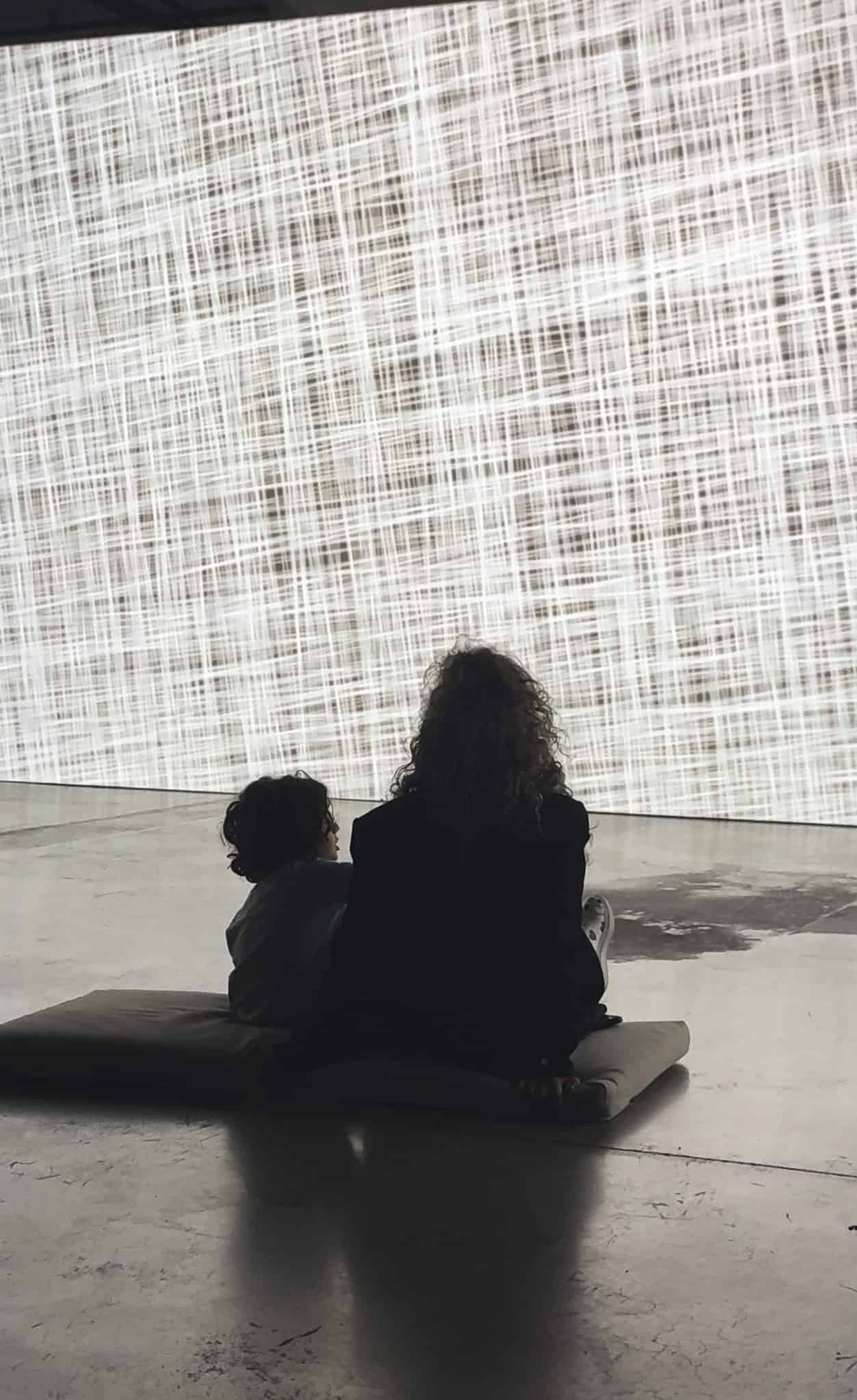
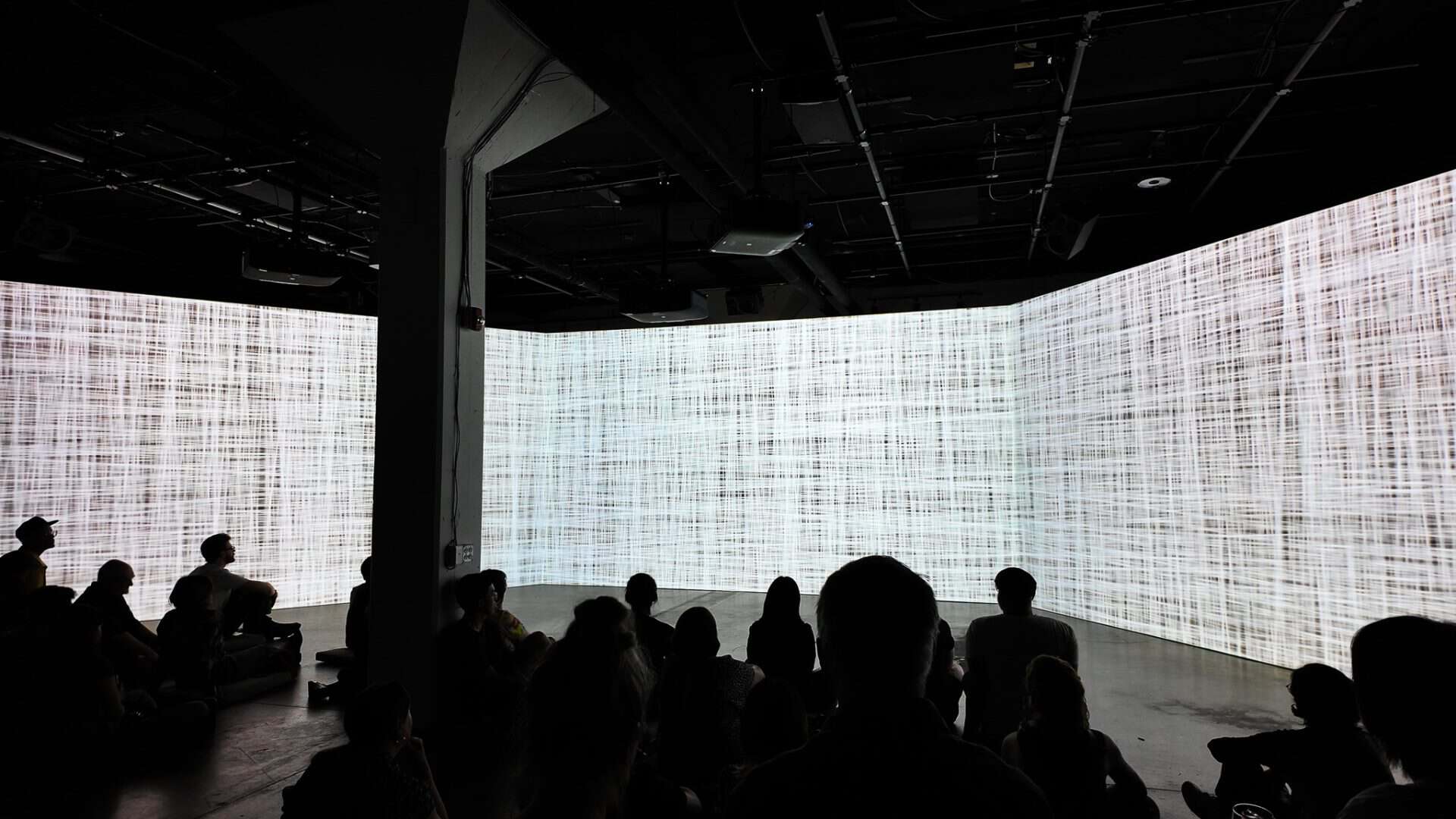
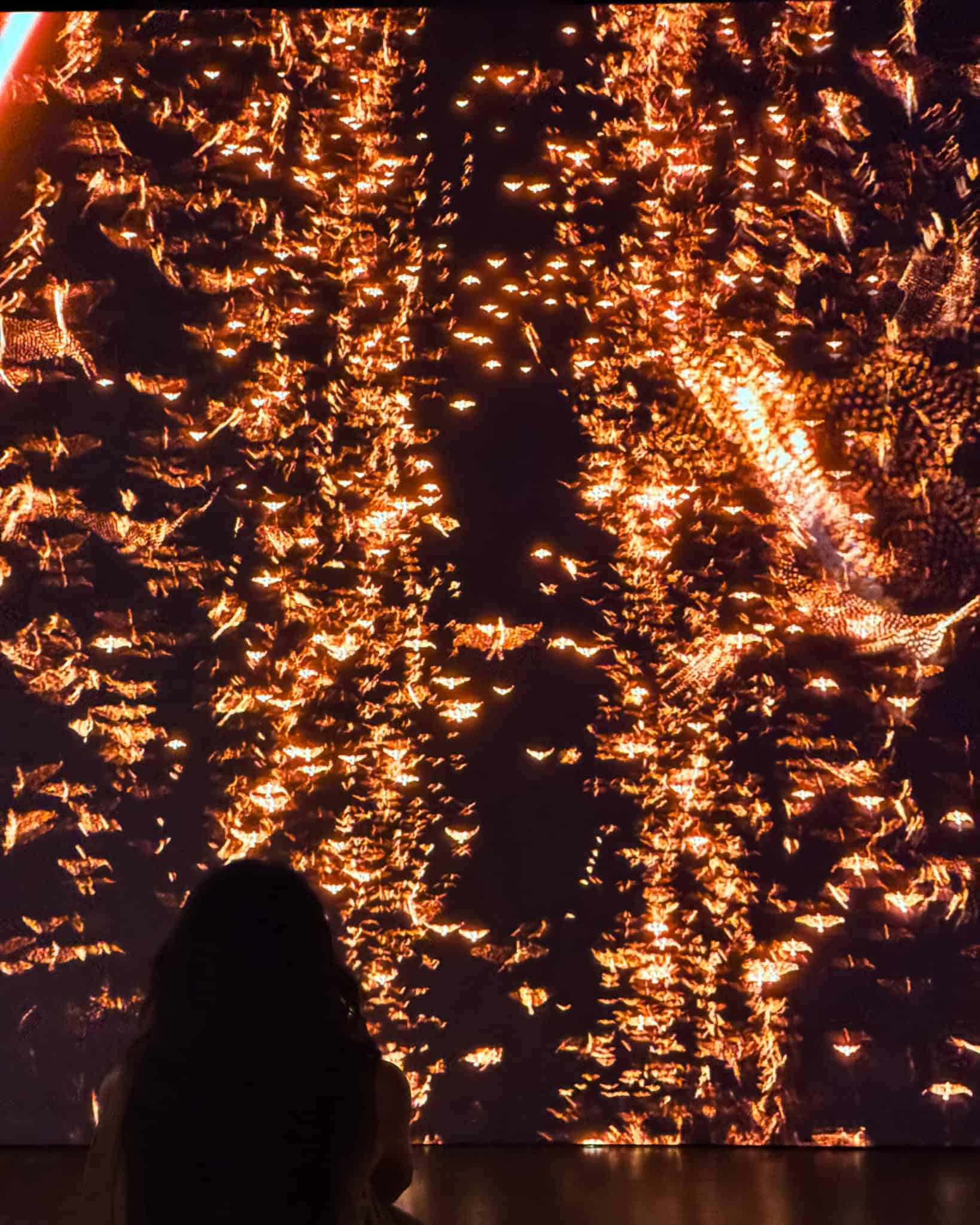
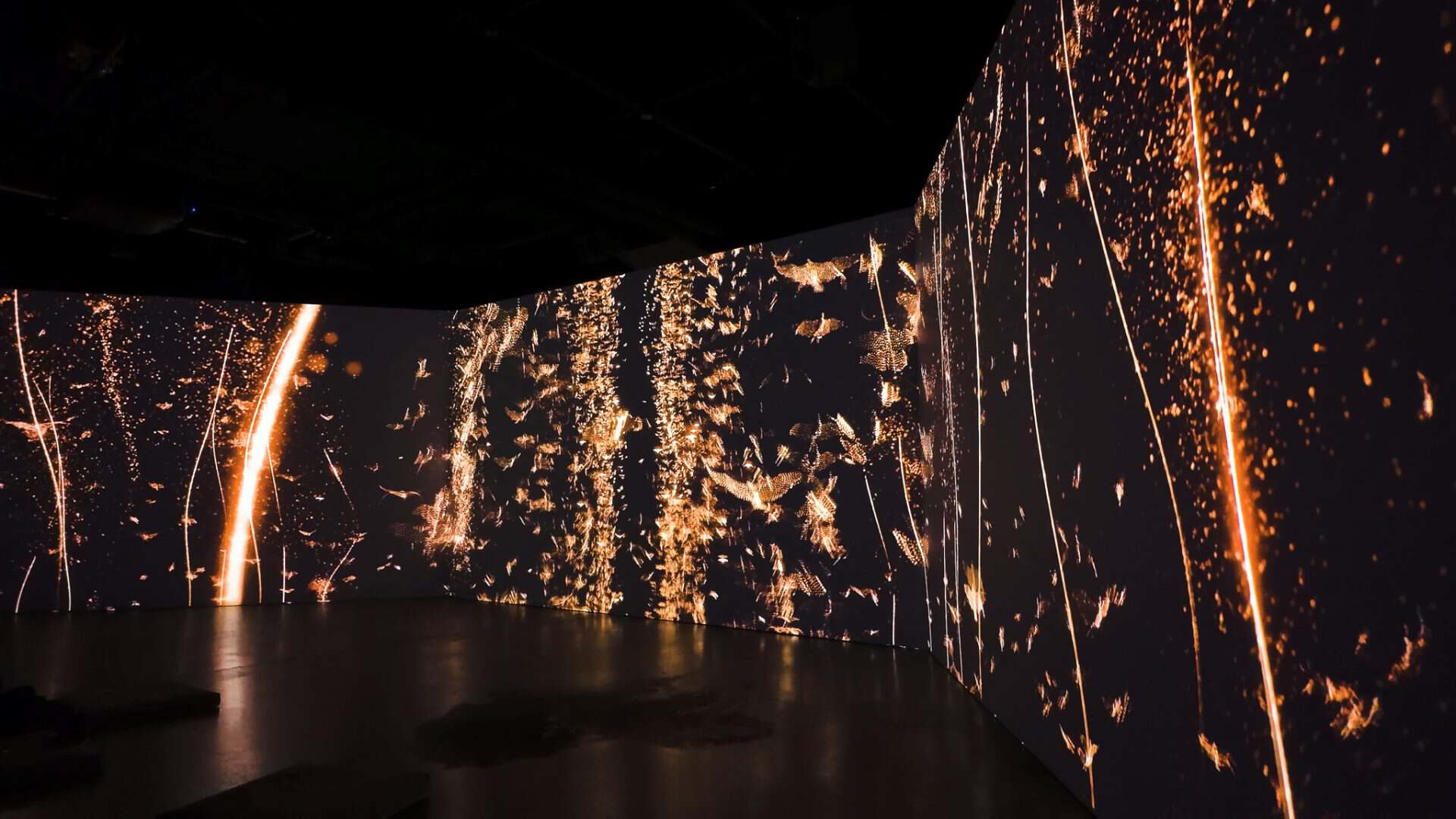
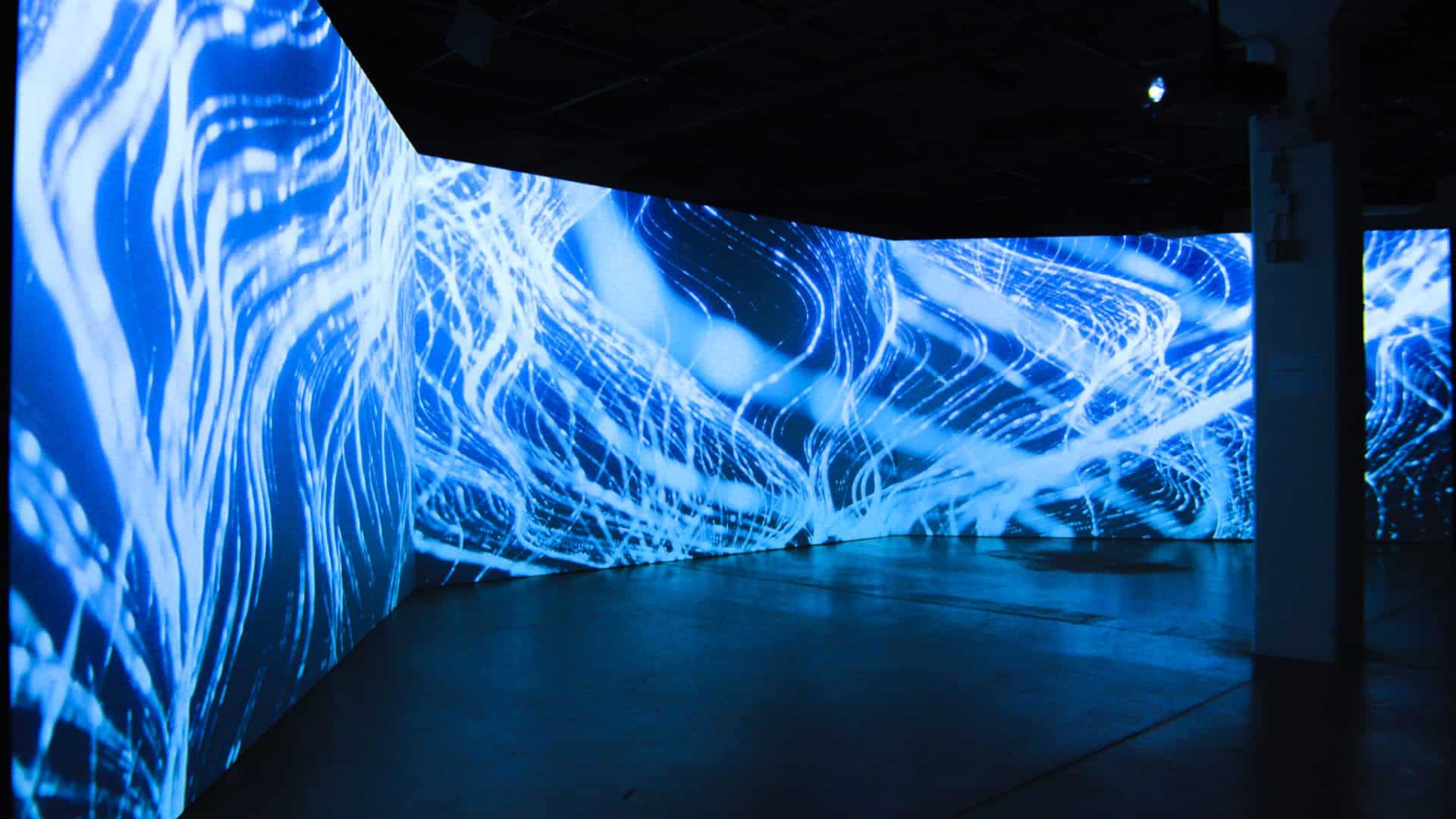
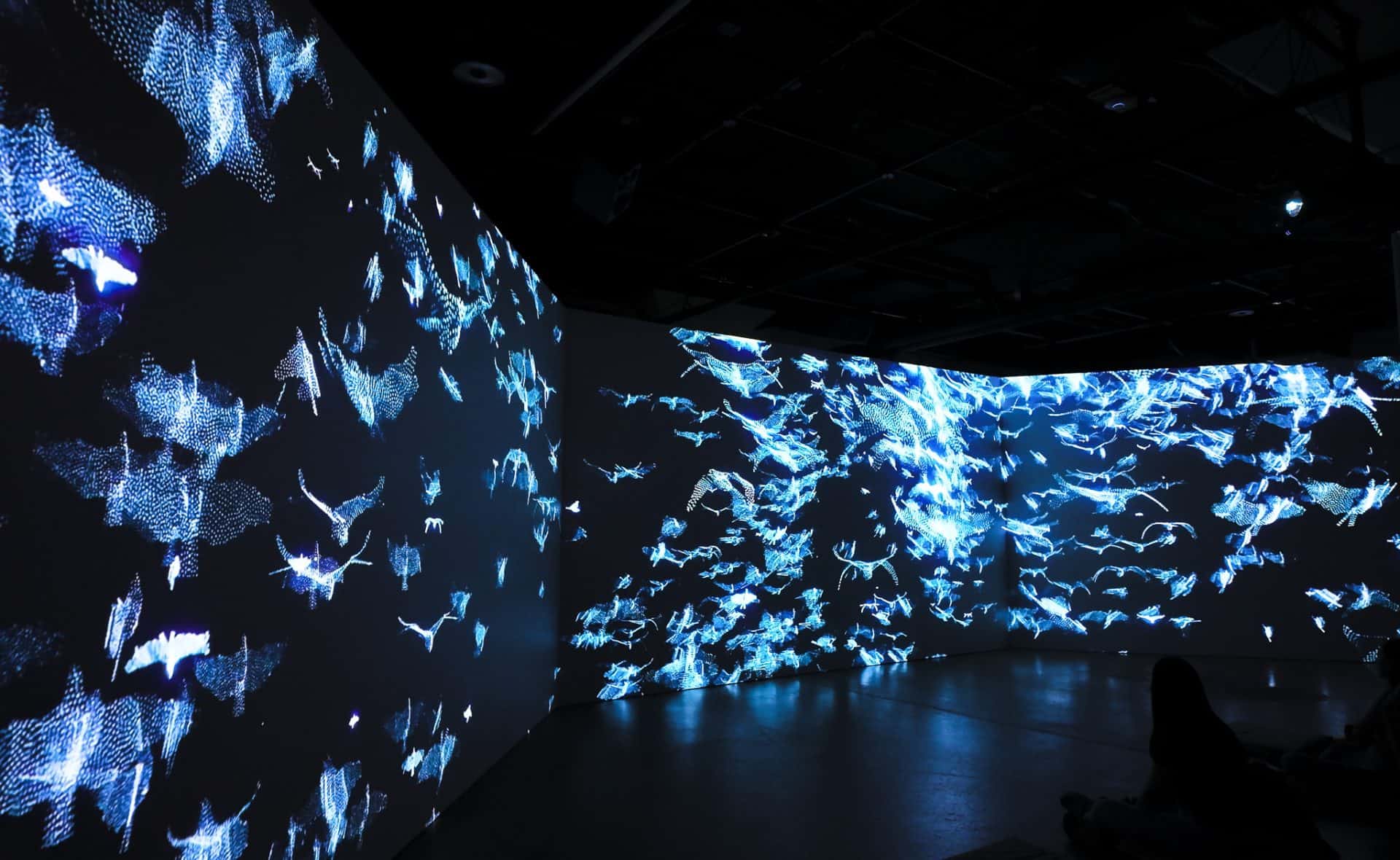
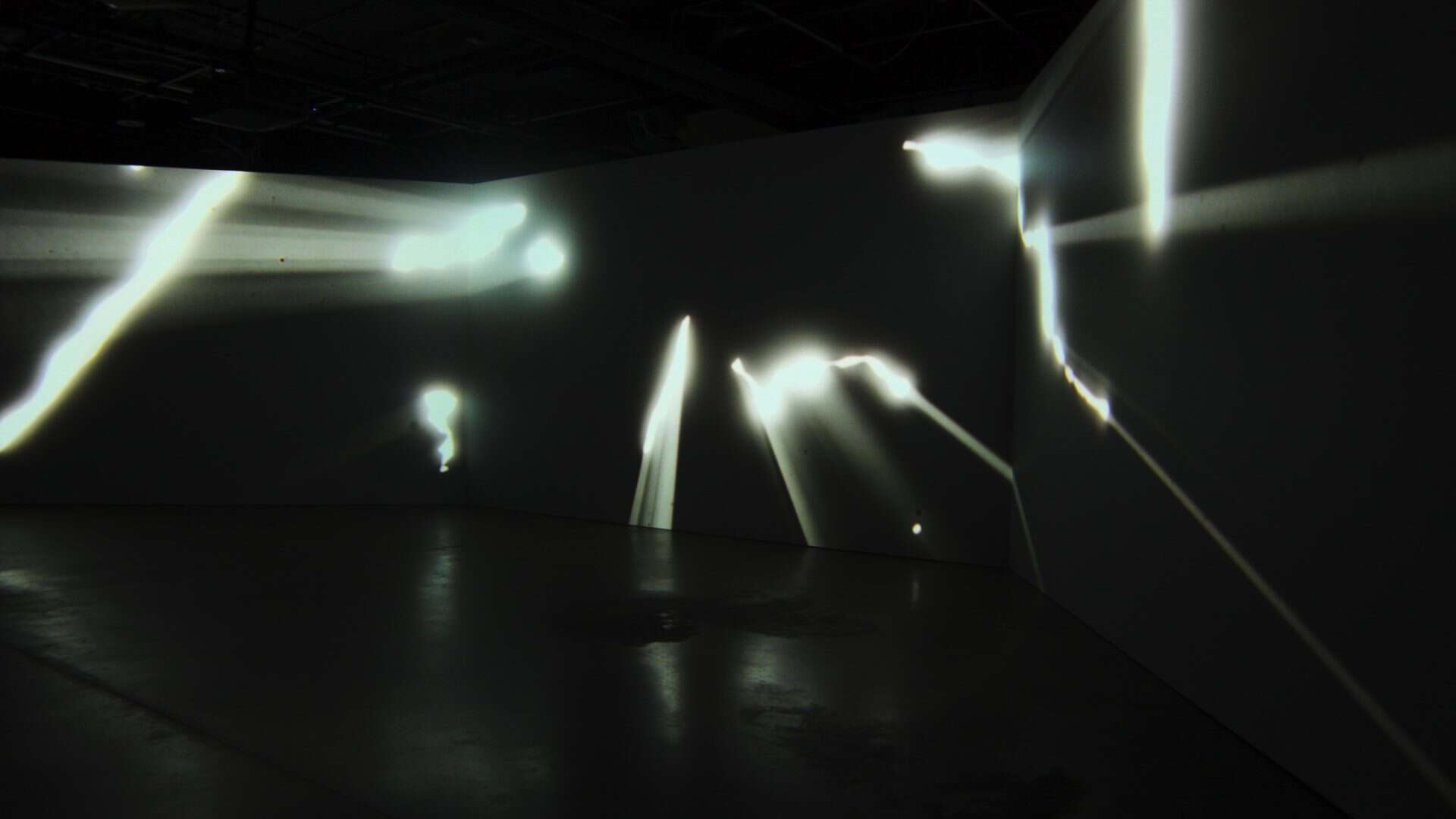
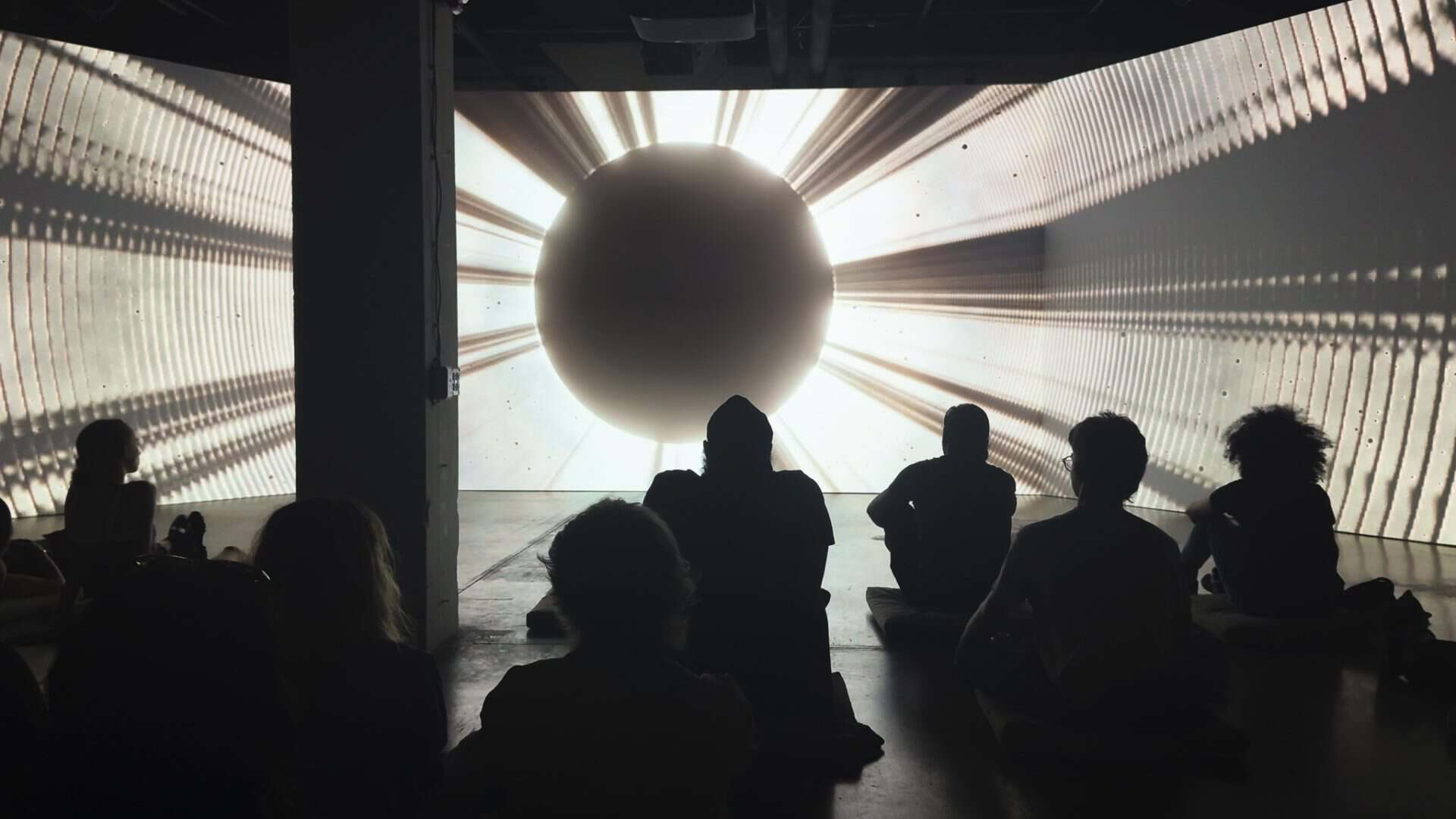
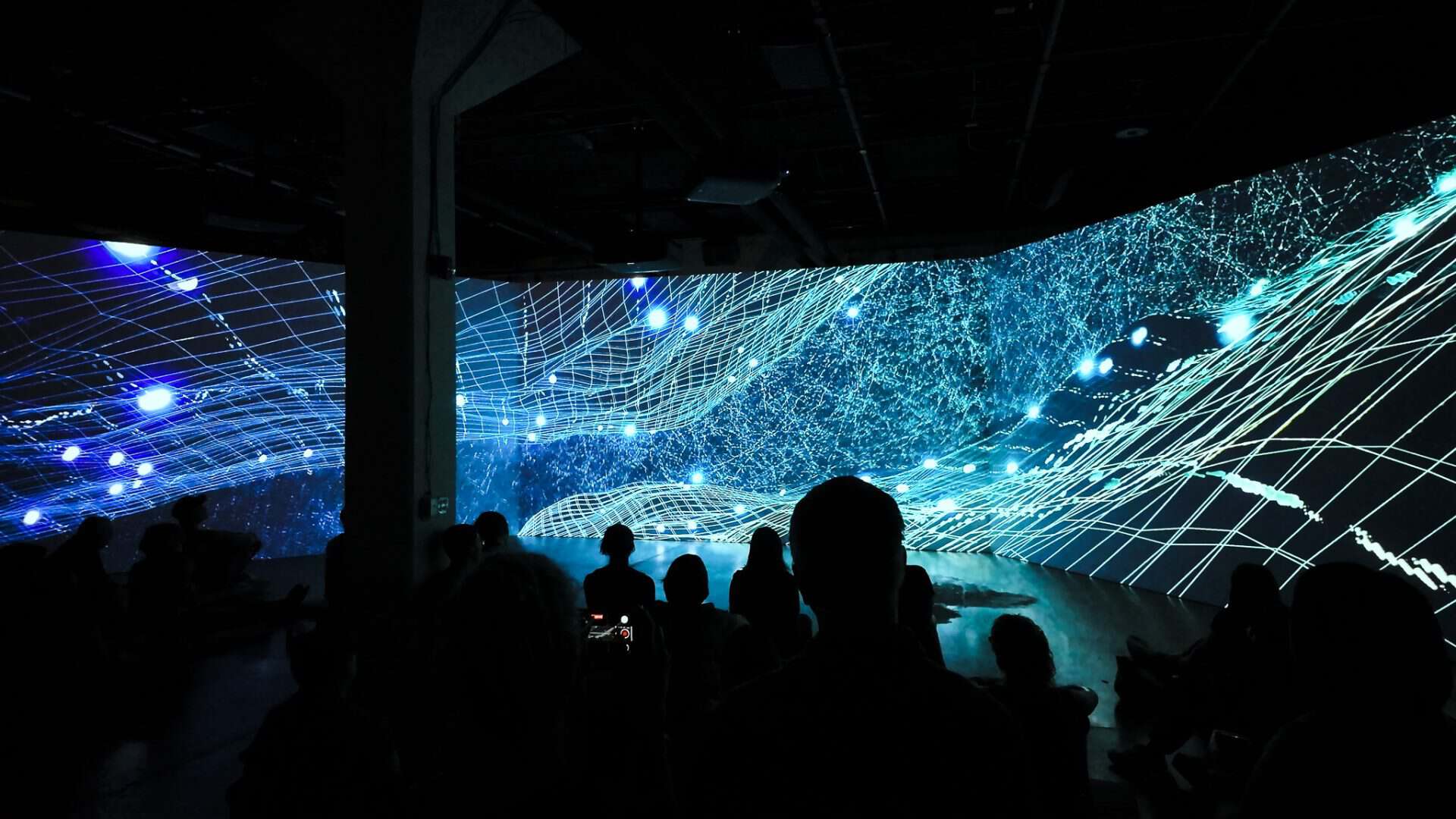
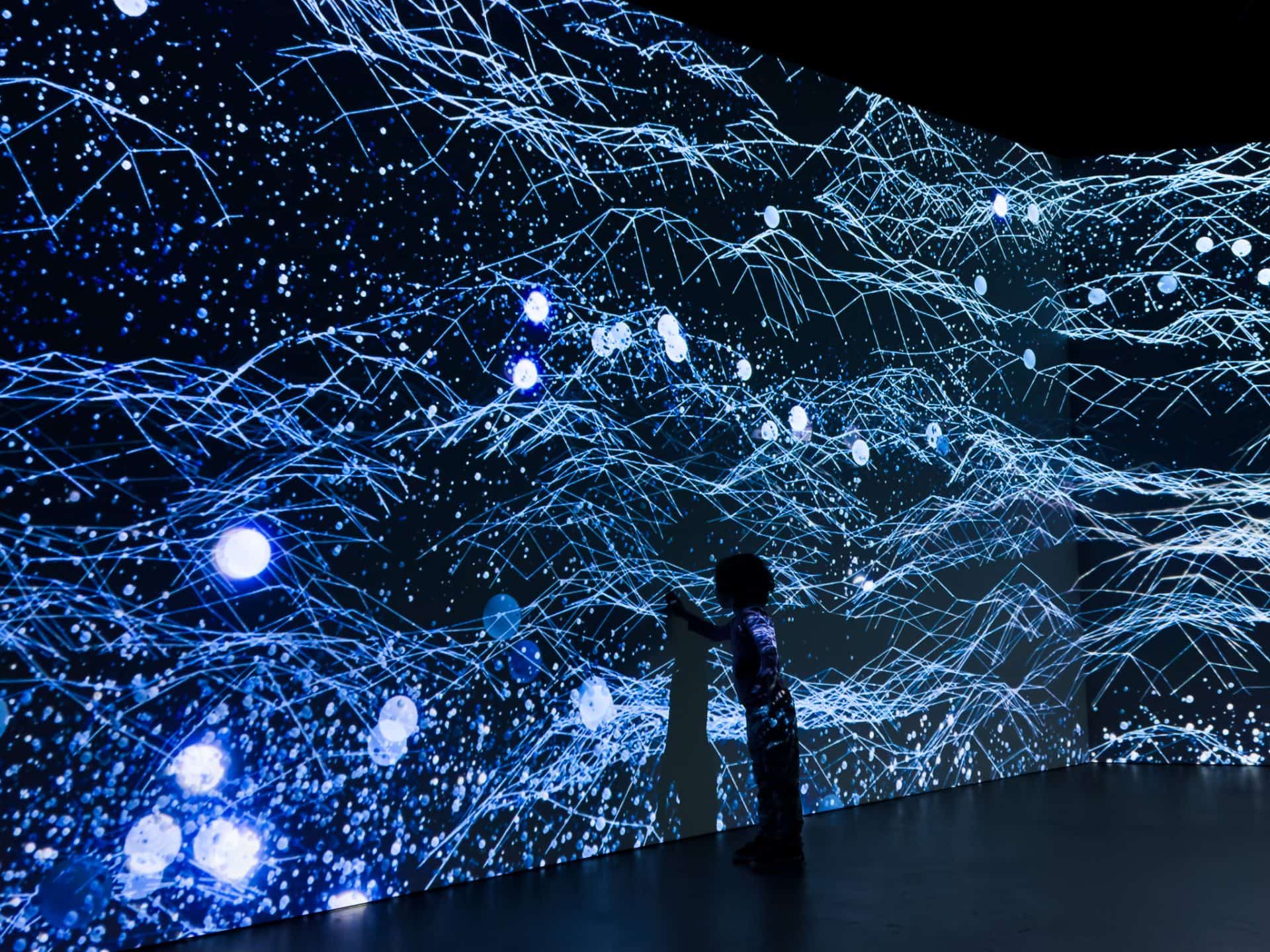
Shinshiki / 神色 (Forms of Divinities) is an immersive audio-visual installation with multichannel video projection and spatialized sound. The work draws on the traditional Japanese concept of Ma—a prepared, vacant sacred space into which kami (divinities) descend.
In the worldview of the ancient Japanese, a space set apart within the natural world was understood as a sacred void. Even tangible objects, though appearing solid, were believed to contain inner emptiness capable of receiving spiritual force. The acts of preparing such a space, known as Ma, and waiting for kami to manifest deeply shaped Japanese perceptions of space and time, later influencing their artistic expression. The Japanese also believed in yaoyorozu-no-kami (“eight million divinities,” symbolizing infinity), the idea that kami dwell in all things in nature—trees, fire, waterfalls, rocks, mountains, and countless other phenomena. Even today, there are approximately 80,000 shrines throughout the Japanese archipelago, many of which conduct matsuri (seasonal ceremonies and rituals) to honor diverse local kami.
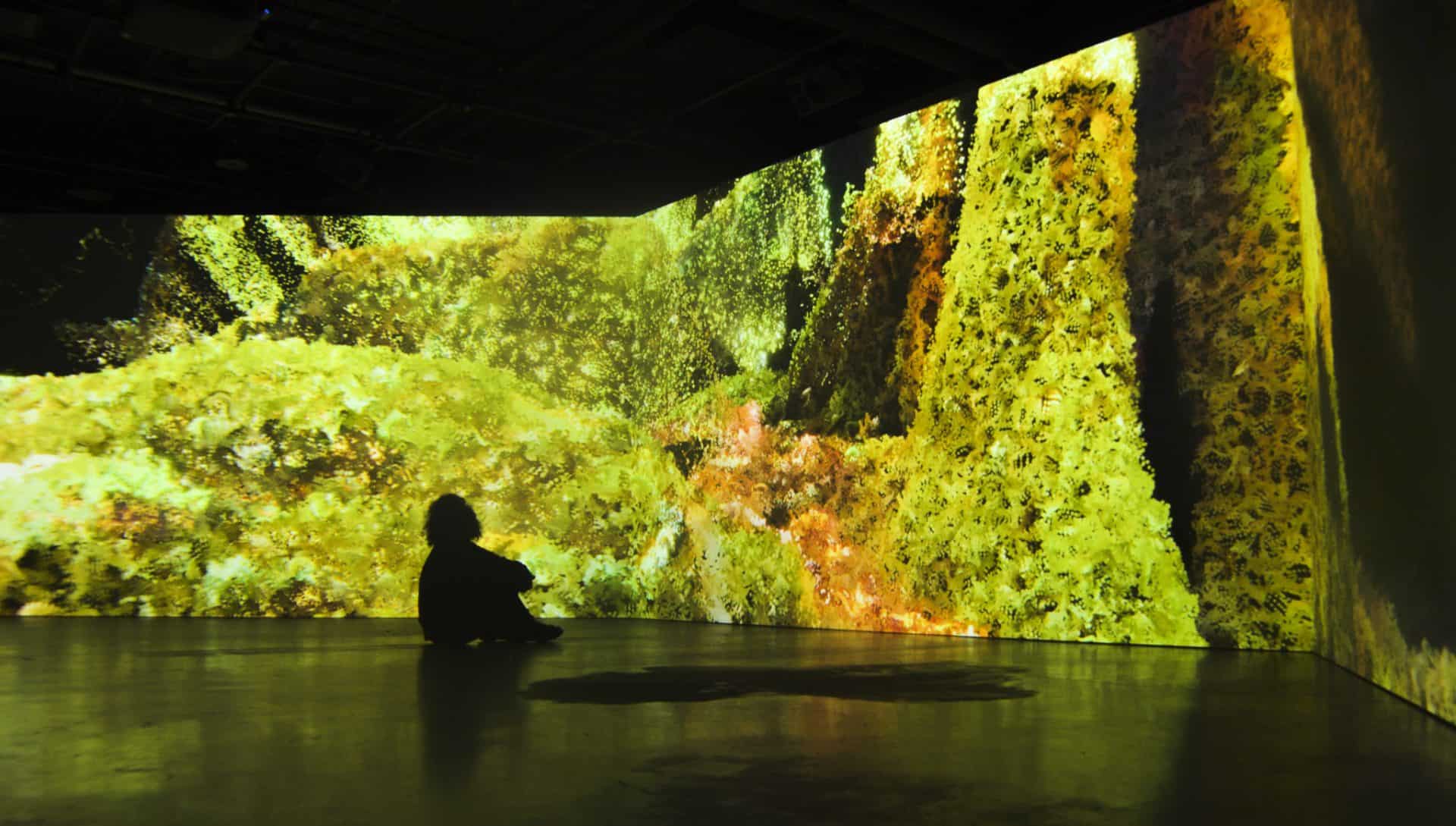
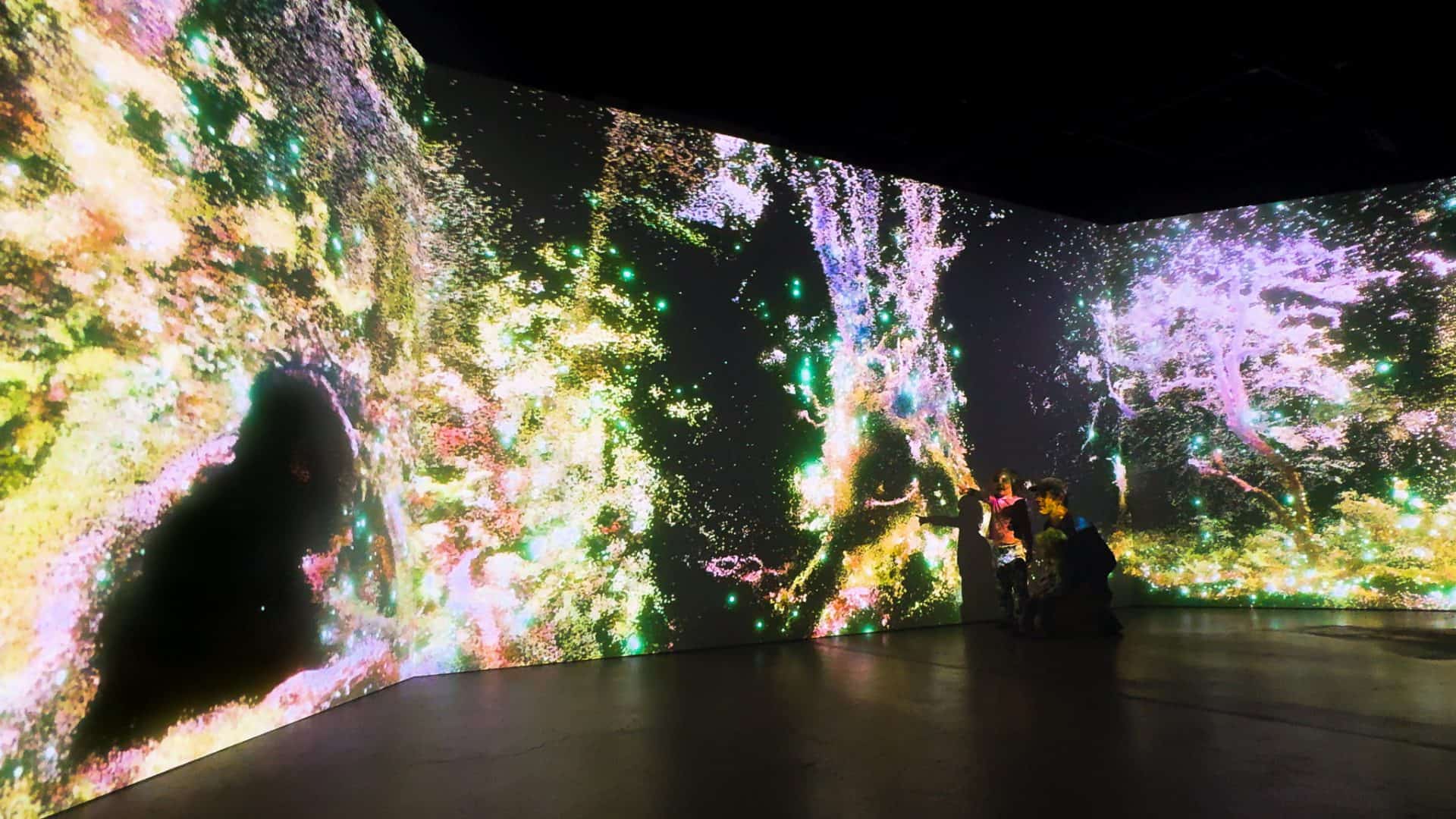
In Shinshiki, the primary sound sources are Western string instruments (violin, viola, cello), while the visual elements are symbolic objects, actions, and phenomena drawn from ancient Japanese animistic contexts that express awe, reverence, and gratitude toward kami. Through real-time computer graphics, these sources appear as dynamic three-dimensional events rendered throughout the exhibition space, creating a continuously transforming scenery. Similarly, the soundscape consists of both acoustic and electronically transformed sounds of the string instruments.
The work does not depict concrete forms of divinities. Instead, the transforming scenery presents a series of evolving spaces (Ma) rooted in diverse animistic contexts—including sacred trees, ritual fire, waterfalls, rock formations, seashore, and mountains—woven into the fabric of the cosmos, onto which audiences may freely imagine and embody unseen presences of kami. In the ancient Japanese worldview, there is no absolute kami to which all others are subordinate; rather, all kami coexist and evolve harmoniously, permeating the entire cosmos. The artists hope this vision of harmonious coexistence will resonate with audiences, offering a quiet reflection on unity in a world so often marked by division.
Years of Development and Production: 2023–25
Artwork produced by Studio Programsounds
- Yota Kobayashi — Soundscape Art, Conception & Direction
- Ryo Kanda — Visual Art
- Quartetto Maurice — Strings Performance
- Rurihiko Hara — Historical Research